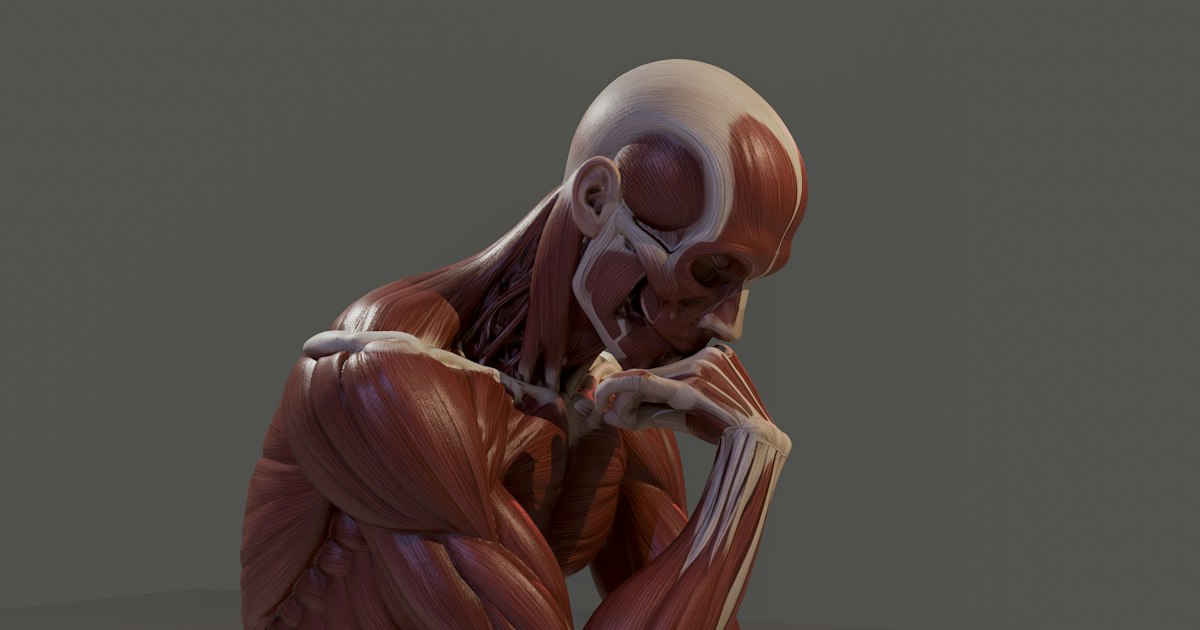
When an Athlete Needs to See a Cardiologist

A resting pulse of 45, thicker heart walls, strange waves on an ECG - in an athlete this can be either normal or a disease. The editorial team explains for which symptoms you must go to a cardiologist immediately, when a scheduled visit is advisable, and how to prepare for the consultation.
«Athlete's heart» or disease
Regular training changes the heart: the chambers enlarge, the walls thicken somewhat, and the resting pulse decreases. This set of changes is called the «athlete's heart», and it is a normal adaptation. Reviews by Maron and Pelliccia (2006), as well as Baggish and Wood (2011), describe in detail how these changes depend on the sport, sex, and ethnic background.
The problem is that adaptation and the early stages of certain diseases can look similar. Moderate thickening of the left ventricular wall occurs both in a trained rower and in a person with hypertrophic cardiomyopathy. Distinguishing between them is the task of a cardiologist who understands sports medicine.
So a visit to a cardiologist does not always mean «something is wrong». Often the doctor confirms that the changes are physiological and relieves the anxiety. But this requires a timely assessment, not self-diagnosis with a heart-rate monitor.
Below we look at the situations in which the editorial team considers a cardiology consultation mandatory, and those in which it is advisable on a scheduled basis.
Symptoms that must not be ignored
The 2020 European sports cardiology guidelines and most pre-participation screening programs single out a set of «red flags». Any of them is a reason to stop intensive training until a medical examination:
- fainting or near-fainting during physical exertion or immediately after it;
- pain, pressure, or burning in the chest that appears during exertion;
- shortness of breath that is much greater than expected for the given exertion, or that appeared suddenly;
- a sensation of strong palpitations, «skips», or pauses in the heart's work;
- a sudden, unexplained drop in endurance;
- swelling of the legs, shortness of breath when lying down.
Fainting during exertion itself is especially alarming. Fainting after the finish, when an athlete has stopped abruptly, is often related to blood pooling in the legs, but fainting in the middle of a run or a game is a classic symptom of an arrhythmia or an obstruction of blood flow, and it requires a full examination.
Chest pain during exertion in a person over 35 first of all makes it necessary to rule out coronary heart disease. Young athletes with such pain are also examined, in particular for coronary artery anomalies.

Situations without symptoms when a visit is advisable
Even without complaints, a cardiology consultation makes sense in several cases. We have collected them in a table.
| Situation | Why it matters | What is usually done |
|---|---|---|
| Sudden death of a relative before age 50, hereditary heart diseases in the family | Cardiomyopathies and channelopathies are often inherited | ECG, echocardiography, genetic counseling if needed |
| Elevated blood pressure | Strain on the heart and vessels, especially in strength sports | Daily blood-pressure monitoring, echocardiography |
| Use of AAS or stimulants in the past or now | Risk of hypertrophy, fibrosis, arrhythmias, atherosclerosis | Lipid panel, ECG, echocardiography |
| Starting intensive training after age 35-40 with risk factors | Hidden coronary heart disease | Stress test |
| An abnormality on the ECG during a medical check-up | Adaptation and pathology need to be distinguished | Assessment by sports criteria, further examination |
| A heart murmur detected by a doctor | Possible valve defects | Echocardiography |
For people who used anabolic steroids for a long time, a scientific statement of the American Heart Association (Baggish et al., 2017) describes changes that can remain asymptomatic for years. Here candor with the doctor matters: without information about the drugs it is harder to interpret the findings.
Endurance training over many years is associated with a somewhat higher risk of atrial fibrillation, especially in middle-aged men; this is indicated by a meta-analysis by Abdulla and Nielsen. An irregular heartbeat in a veteran runner or cyclist is a strong reason to see a doctor.
Returning after an illness
Infections with fever can cause myocarditis - inflammation of the heart muscle, which sometimes proceeds almost without symptoms. Training against a background of myocarditis increases the risk of dangerous arrhythmias, so guidelines advise refraining from intensive exercise during fever and systemic symptoms.
If after an illness chest pain, palpitations, shortness of breath, or unusual exercise intolerance appear, you should see a cardiologist before returning to training. The doctor may order an ECG, a troponin test, echocardiography, and, in some cases, cardiac MRI.
With confirmed myocarditis, athletes are usually advised to take a long break from competitive sport, and a return is possible only after a repeat examination.
For those who had a mild illness with no cardiac symptoms at all, a gradual return is sufficient: several days of low intensity with close attention to how you feel.
How to prepare for the visit
To make the consultation productive, bring records from your heart-rate monitor or smartwatch, if they captured episodes of tachycardia, along with previous ECGs and test results.
Write down exactly when the symptoms occur: at what intensity, how long they last, what stops them. Ask your relatives about the family history - deaths at a young age, established diagnoses, the presence of pacemakers or defibrillators in relatives.
Honestly tell the doctor about all supplements, drugs, energy drinks, and caffeine. The doctor is not a representative of an anti-doping agency; the goal is to assess the risk correctly.
It is advisable to choose a cardiologist who has experience working with athletes: they know the modern criteria for interpreting an ECG and will not ban sport because of physiological bradycardia.
Editorial conclusions
An athlete needs to see a cardiologist immediately in cases of fainting during exertion, chest pain, sudden shortness of breath, and new rhythm disturbances. On a scheduled basis - with a burdened family history, hypertension, AAS use, and when starting intensive training at a mature age.
A timely consultation often confirms that the changes are a normal «athlete's heart», and in other cases makes it possible to detect a disease before it becomes dangerous.
We also recommend reading our materials «Sudden cardiac death in sport: risk factors», «Heart screening before starting training», and a review of tests for monitoring an athlete's health.
References
- Maron BJ, Pelliccia A. The heart of trained athletes: cardiac remodeling and the risks of sports, including sudden death. Circulation. 2006;114(15):1633–1644.
- Baggish AL, Wood MJ. Athlete's heart and cardiovascular care of the athlete: scientific and clinical update. Circulation. 2011;123(23):2723–2735.
- Pelliccia A, Sharma S, Gati S, et al. 2020 ESC Guidelines on sports cardiology and exercise in patients with cardiovascular disease. Eur Heart J. 2021;42(1):17–96.
- Drezner JA, Sharma S, Baggish A, et al. International criteria for electrocardiographic interpretation in athletes: consensus statement. Br J Sports Med. 2017;51(9):704–731.
- Baggish AL, Weiner RB, Kanayama G, et al. Cardiovascular toxicity of illicit anabolic-androgenic steroid use. Circulation. 2017;135(21):1991–2002.
- Abdulla J, Nielsen JR. Is the risk of atrial fibrillation higher in athletes than in the general population? A systematic review and meta-analysis. Europace. 2009;11(9):1156–1159.
Andriy Melnyk
A strength-sports coach and author of programs for beginner and intermediate levels. Writes about training planning.