Halotestin or Trenbolone: What Is the Difference
Halotestin (fluoxymesterone) and trenbolone are often mentioned side by side as the «harshest» androgens, yet pharmacologically they are very different substances. One is an oral 17α-alkylated testosterone derivative, once registered for human use; the other is a 19-nortestosterone steroid that reached us mainly from veterinary medicine. The editorial team explains exactly what the difference between them is.
Two molecules from different «families»
Anabolic-androgenic steroids (AAS) are usually divided into groups by their parent molecule: testosterone derivatives, dihydrotestosterone (DHT) derivatives, and 19-nortestosterone (nandrolone) derivatives. Halotestin belongs to the first group, trenbolone to the third. This classification alone explains many of the differences in how they behave in the body.
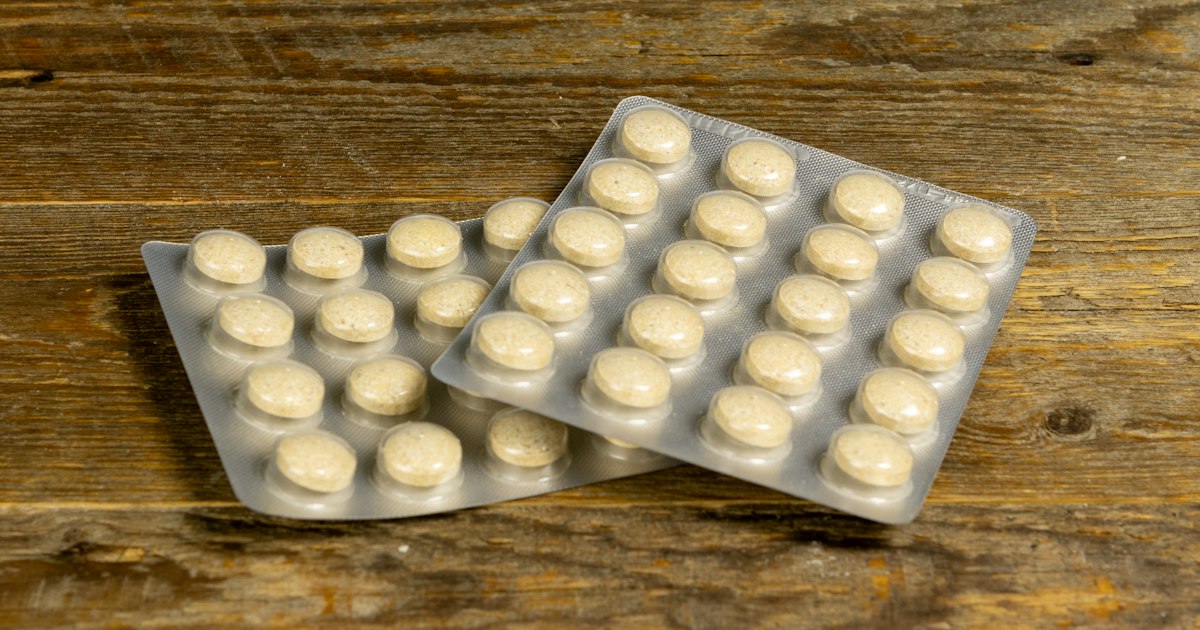
Fluoxymesterone was synthesized in the 1950s and was registered as an oral androgen under the trade name Halotestin. It was prescribed for male hypogonadism, delayed puberty, and as palliative therapy for some forms of breast cancer in women. Today the drug has been withdrawn from circulation in most countries or is practically unused.
Trenbolone was developed in the 1960s. For a time an ester of trenbolone, hexahydrobenzylcarbonate (Parabolan, France), was produced for humans, but this drug was discontinued long ago. The main legal use of trenbolone acetate is implants to stimulate mass gain in cattle. In other words, trenbolone has no modern human indications.
They have one thing in common: both substances are potent agonists of the androgen receptor, and both fall under section S1, «Anabolic agents», of the WADA Prohibited List. That is where the similarity ends, and below the editorial team examines the differences point by point.
Chemical structure and dosage form
Fluoxymesterone is testosterone with three modifications: a fluorine atom at position 9α, a hydroxyl group at position 11β, and a methyl group at position 17α. It is precisely the 17α-methylation that protects the molecule from rapid breakdown by the liver on first pass, so the drug is active when taken orally.
Trenbolone is 19-nortestosterone with two additional double bonds (at positions 9 and 11), that is, a steroid with three double bonds in its ring system. It is not 17α-alkylated, so it is ineffective in oral form and is produced as esters for injection or as implants.
| Parameter | Halotestin (fluoxymesterone) | Trenbolone |
|---|---|---|
| Chemical family | Testosterone derivative | 19-nortestosterone derivative |
| Key modifications | 9α-fluoro, 11β-hydroxy, 17α-methyl | Δ9 and Δ11 double bonds |
| Form | Tablets for oral use | Esters for injection (acetate, enanthate), veterinary implants |
| Status for humans | Former prescription drug | Not registered for humans |
| WADA | S1.1, prohibited at all times | S1.1, prohibited at all times |
A different dosage form also means different pharmacokinetics. Oral fluoxymesterone acts for a few hours, whereas the duration of trenbolone's action is determined by the ester: acetate is released quickly, enanthate more slowly. For risk assessment it also matters that trenbolone products on the black market are often crudely repurposed veterinary products of unpredictable quality.
The stability of the molecules is worth mentioning separately. Trenbolone is light-sensitive, and its metabolites differ from those of most other steroids, which is important for anti-doping laboratories. Fluoxymesterone also has a recognizable metabolic «fingerprint» because of its fluorine atom.

Mechanism of action: receptors and metabolism
Both substances act through the androgen receptor, but with different affinity. According to a review by Yarrow and colleagues (2010), trenbolone binds to the androgen receptor much more strongly than testosterone, and in animal experiments it shows a pronounced anabolic effect on muscle tissue. Fluoxymesterone is known to have relatively low receptor affinity in laboratory tests, despite pronounced androgenic effects in the clinic.
A significant difference is enzymatic metabolism. Trenbolone is not converted to estradiol by aromatase and is not a substrate for 5α-reductase the way testosterone is. At the same time it has affinity for the progesterone receptor, so it is credited with progestogenic effects, in particular on the hypothalamic-pituitary axis.
Fluoxymesterone also barely aromatizes, so classic estrogenic effects are not typical for it. Instead, the 17α-methyl group makes it a typical representative of oral steroids with a pronounced effect on the liver and lipid metabolism.
- Shared:androgen receptor agonists, suppression of the body's own LH and FSH production, effects on lipids.
- Halotestin only:17α-alkylation, oral activity, hepatotoxicity characteristic of this class.
- Trenbolone only:19-nor structure, progestogenic activity, absence of modern human indications.
Both drugs suppress the hypothalamic-pituitary-gonadal axis. This means lower endogenous testosterone, reduced spermatogenesis, and a risk of prolonged hypogonadism after discontinuation, which is described in detail in a review by Rahnema and colleagues (2014).
Medical status and clinical data
For fluoxymesterone there are official FDA labels with indications, contraindications, and warnings. They describe, among other things, the risks of cholestatic hepatitis, peliosis hepatis, and liver tumors with long-term use of androgens, as well as virilization in women. Modern endocrinology guidelines do not recommend oral 17α-alkylated androgens for treating hypogonadism.
For trenbolone the clinical evidence base in humans is minimal: the main data come from animal experiments and veterinary studies. Researchers have considered trenbolone as a model of a tissue-selective androgen, but it never reached controlled clinical trials by modern standards.
An important practical conclusion follows from this: for trenbolone there are no reliable human safety data, and everything circulating in the sports community is mostly anecdotal observation. For halotestin data do exist, but they concern medical doses from decades ago and do not describe supraphysiological use.
Neither substance is used in modern sports medicine. Both are banned by WADA both in and out of competition, and the detection of their metabolites is grounds for disqualification.
Risk profile: liver, heart, psyche
For halotestin the main specific risk is the liver. Like other 17α-alkylated steroids, it can cause cholestasis, elevated transaminases, and, with long-term use, peliosis hepatis and adenomas. The LiverTox library (NIH) classes such injury as typical of anabolic steroids.
For trenbolone, cardiovascular and neuropsychiatric effects are more often discussed. Like other AAS in supraphysiological amounts, it lowers HDL, can raise blood pressure, and can contribute to myocardial changes. An Endocrine Society review (Pope et al., 2014) describes, for AAS in general, an increased incidence of irritability, aggression, and depression after withdrawal.
Both substances carry a high risk of virilization for women: deepening of the voice, male-pattern hair growth, cycle disturbances. Some of these changes are irreversible.
Another factor is quality. Substances on the black market often do not match their stated composition, and injectable forms made in makeshift conditions carry a risk of infectious complications.
Editorial conclusions
Halotestin and trenbolone differ in chemical family, dosage form, metabolism, and medical status. The first is an oral 17α-alkylated testosterone derivative with pronounced hepatotoxicity; the second is an injectable 19-nor steroid with progestogenic activity, created for animals.
What they have in common is strong suppression of the body's own hormonal system, a negative effect on lipids, and a WADA ban. For trenbolone, in addition, there are virtually no clinical safety data in humans.
If you are interested in the topic of androgens, the editorial team advises starting with an understanding of how your own hormonal system works and with laboratory monitoring of your health, rather than with comparing the «strength» of drugs.
We also recommend reading our materials «Halotestin vs Trenbolone: which to choose and for whom», on the effect of oral steroids on the liver, and on restoring hormonal balance after AAS.
References
- Kicman AT. Pharmacology of anabolic steroids. Br J Pharmacol. 2008;154(3):502–521.
- Yarrow JF, McCoy SC, Borst SE. Tissue selectivity and potential clinical applications of trenbolone (17β-hydroxyestra-4,9,11-trien-3-one): a potent anabolic steroid with reduced androgenic and estrogenic activity. Steroids. 2010;75(6):377–389.
- Pope HG Jr, Wood RI, Rogol A, et al. Adverse health consequences of performance-enhancing drugs: an Endocrine Society scientific statement. Endocr Rev. 2014;35(3):341–375.
- Rahnema CD, Lipshultz LI, Crosnoe LE, et al. Anabolic steroid-induced hypogonadism: diagnosis and treatment. Fertil Steril. 2014;101(5):1271–1279.
- LiverTox: Clinical and Research Information on Drug-Induced Liver Injury. Androgenic Steroids. Bethesda (MD): National Institute of Diabetes and Digestive and Kidney Diseases.
- Bhasin S, Brito JP, Cunningham GR, et al. Testosterone therapy in men with hypogonadism: an Endocrine Society clinical practice guideline. J Clin Endocrinol Metab. 2018;103(5):1715–1744.
- World Anti-Doping Agency. International Standard: Prohibited List. Montreal: WADA; 2025.
Andriy Melnyk
A strength-sports coach and author of programs for beginner and intermediate levels. Writes about training planning.