
Interactions of Ezetimibe with Other Drugs
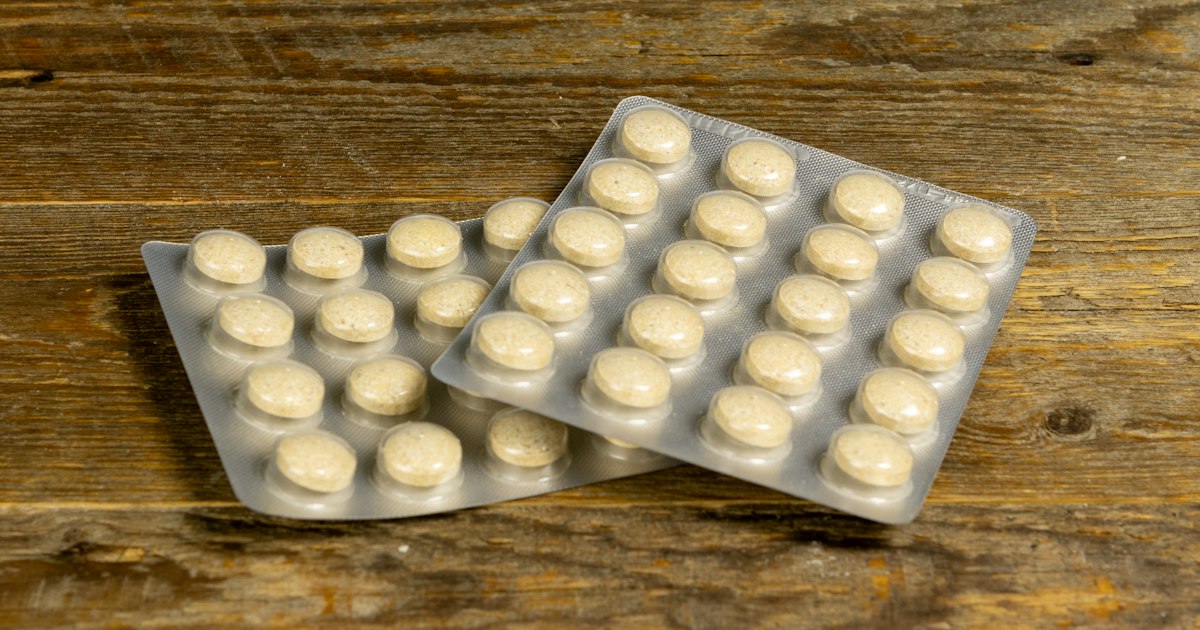
Ezetimibe is considered one of the most «peaceful» lipid-lowering drugs in terms of interactions. However, «few interactions» does not mean «none». The editorial team examined how the drug is metabolized, with which drugs its combination requires caution, and why some combinations need to be spaced out in time.
Pharmacokinetics: why there are few interactions
Most dangerous drug interactions are associated with the liver enzymes of the cytochrome P450 family, primarily CYP3A4. Dozens of drugs are metabolized through them, and if one of them inhibits or induces the enzyme, the concentration of another can change several-fold. That is why, for example, simvastatin and atorvastatin have long lists of incompatible drugs.
Ezetimibe follows a different path. After absorption in the intestine and liver, it quickly conjugates with glucuronic acid with the participation of UGT enzymes. The resulting glucuronide is no less active than the parent molecule. The drug has no significant metabolism through the cytochrome P450 system, which is described in detail in a review by Kosoglou and colleagues (2005).
A second feature is enterohepatic circulation. Ezetimibe and its glucuronide are excreted with bile into the intestine, are reabsorbed, and return to the liver. Thanks to this «cycle», the half-life is about 22 hours, which allows the drug to be taken once a day regardless of food.
This same circulation explains why the most significant interactions of ezetimibe are associated not with liver enzymes but with substances that bind the drug in the intestine or change its transport. The main excretion occurs with feces, a smaller part with urine.
Ezetimibe and statins
The combination with statins is the most common use of ezetimibe. There are even fixed combinations in a single tablet (with simvastatin, atorvastatin, rosuvastatin). No pharmacokinetic interactions that would require a change of doses have been found between them: ezetimibe does not significantly change the concentration of statins, and vice versa.
The interaction here is mainly pharmacodynamic, and it is desirable. A statin reduces the synthesis of cholesterol in the liver, and in response the body compensatorily increases its absorption in the intestine. Ezetimibe blocks precisely this «backup route», so the two drugs complement each other.
At the same time, the labels draw attention to liver indicators. In studies of combination therapy, an increase in transaminases (ALT, AST) above three times the upper limit of normal occurred somewhat more often than with statin monotherapy. Such changes are usually asymptomatic and reversible, but it is precisely because of them that a doctor may order follow-up tests.
As for muscle symptoms: ezetimibe itself rarely causes myalgia, but in a combination the main responsibility for muscle effects usually lies with the statin. If pronounced muscle pain or weakness appears while on the combination, this is a reason to see a doctor and check creatine kinase.

Bile acid sequestrants and fibrates
The most practically important interaction is with bile acid sequestrants (cholestyramine, colestipol, colesevelam). These resins bind bile acids in the intestine and are at the same time able to bind ezetimibe. According to the label, cholestyramine substantially reduces the exposure to ezetimibe, which can weaken the lipid-lowering effect.
Therefore the official label recommends taking ezetimibe at least 2 hours before or no earlier than 4 hours after a sequestrant. This is a simple requirement, but it is often violated when a patient takes all their tablets in the morning in a single handful.
With fibrates the situation is different. Fenofibrate and gemfibrozil raise the concentration of ezetimibe in the blood, although the clinical significance of this is moderate. The main caution concerns the gallbladder: both fibrates and, theoretically, ezetimibe increase the cholesterol content in bile, so if gallstone disease is suspected, the combination is reconsidered.
The label allows the combination of ezetimibe with fenofibrate for indications, and considers the safety of the combination with other fibrates insufficiently studied. The decision on such regimens is made only by a doctor.
| Drug or group | Nature of the interaction | What the labels recommend |
|---|---|---|
| Statins | Complementary effect; more frequent elevation of transaminases | Monitoring of liver indicators as prescribed by a doctor |
| Cholestyramine and other sequestrants | Reduced absorption of ezetimibe | Space out the intake: 2 h before or 4 h after |
| Fenofibrate, gemfibrozil | Rise in ezetimibe concentration; risk to the gallbladder | Only for indications, with monitoring |
| Cyclosporine | Mutual increase in concentrations | Monitoring of cyclosporine levels |
| Warfarin | Isolated reports of a rise in INR | Monitoring of INR at the start of intake |
| Antacids | Reduction of peak concentration without a change in overall exposure | Clinically insignificant |
Cyclosporine, anticoagulants, and other drugs
Cyclosporine is an immunosuppressant taken after organ transplantation. It noticeably raises the concentration of ezetimibe, especially in patients with impaired kidney function. At the same time, ezetimibe can somewhat raise the level of cyclosporine itself. For a drug with a narrow therapeutic window this is significant, so such a combination requires monitoring of concentrations.
As for warfarin, controlled pharmacokinetic studies have not found a significant effect of ezetimibe. However, in the post-marketing period there were reports of a rise in the international normalized ratio (INR). Therefore the labels advise checking the INR at the start of ezetimibe intake in patients receiving warfarin.
With most other common drugs - antihypertensives, glucose-lowering tablets, oral contraceptives, digoxin - no clinically significant interactions have been found in studies. Antacids reduce the rate but not the completeness of absorption.
A separate topic is alcohol and drugs with potential hepatotoxicity. There is no direct pharmacokinetic interaction here, but the total burden on the liver can complicate the interpretation of tests if transaminases rise.
Supplements, sports nutrition, and hormonal drugs
Readers of our blog often ask about combining ezetimibe with dietary supplements. Plant sterols and stanols act similarly - they reduce cholesterol absorption in the intestine. There are no data on the danger of the combination, but the additional effect may be smaller than from each remedy separately, since they affect one and the same process.
Fish oil (omega-3) affects mainly triglycerides and does not interact pharmacokinetically with ezetimibe. Fiber supplements, in particular psyllium, could theoretically bind part of the drug in the intestine, so it is reasonable not to take them at the same time as the tablet.
As for anabolic steroids and other hormonal drugs, there are no direct pharmacokinetic studies of interaction with ezetimibe. It is known that androgens, especially oral 17-alpha-alkylated ones, lower HDL and can burden the liver. This complicates the assessment of both the lipid profile and liver tests. Ezetimibe does not «neutralize» these changes and is not a means of «covering» a cycle.
What is worth telling the doctor before prescribing ezetimibe:
- all prescription drugs, in particular anticoagulants and immunosuppressants;
- sequestrants, fibrates, and other lipid-lowering agents;
- dietary supplements, sports nutrition, herbal preparations;
- any hormonal drugs, even if they are taken without a prescription.
Editorial conclusions
Thanks to glucuronidation and the absence of significant metabolism through cytochrome P450, ezetimibe has a comparatively short list of significant interactions. This is one of the reasons it is readily combined with statins.
The most important practical points are spacing out the intake from bile acid sequestrants, caution with cyclosporine and fibrates, monitoring the INR on warfarin, and liver tests in combination with a statin.
Full transparency about everything you take, including supplements and hormonal drugs, allows the doctor to interpret tests correctly and avoid mistakes.
We also recommend reading «Ezetimibe: what clinical studies show», «Tests during the intake of Ezetimibe», and the comparative material «Atorvastatin or Ezetimibe: what is the difference».
References
- Kosoglou T, Statkevich P, Johnson-Levonas AO, et al. Ezetimibe: a review of its metabolism, pharmacokinetics and drug interactions. Clin Pharmacokinet. 2005;44(5):467–494.
- U.S. Food and Drug Administration. Zetia (ezetimibe) tablets: prescribing information. Organon.
- Phan BA, Dayspring TD, Toth PP. Ezetimibe therapy: mechanism of action and clinical update. Vasc Health Risk Manag. 2012;8:415–427.
- Altmann SW, Davis HR Jr, Zhu LJ, et al. Niemann-Pick C1 Like 1 protein is critical for intestinal cholesterol absorption. Science. 2004;303(5661):1201–1204.
- Mach F, Baigent C, Catapano AL, et al. 2019 ESC/EAS Guidelines for the management of dyslipidaemias. Eur Heart J. 2020;41(1):111–188.
- Pope HG Jr, Wood RI, Rogol A, et al. Adverse health consequences of performance-enhancing drugs: an Endocrine Society scientific statement. Endocr Rev. 2014;35(3):341–375.
Andriy Melnyk
A strength-sports coach and author of programs for beginner and intermediate levels. Writes about training planning.