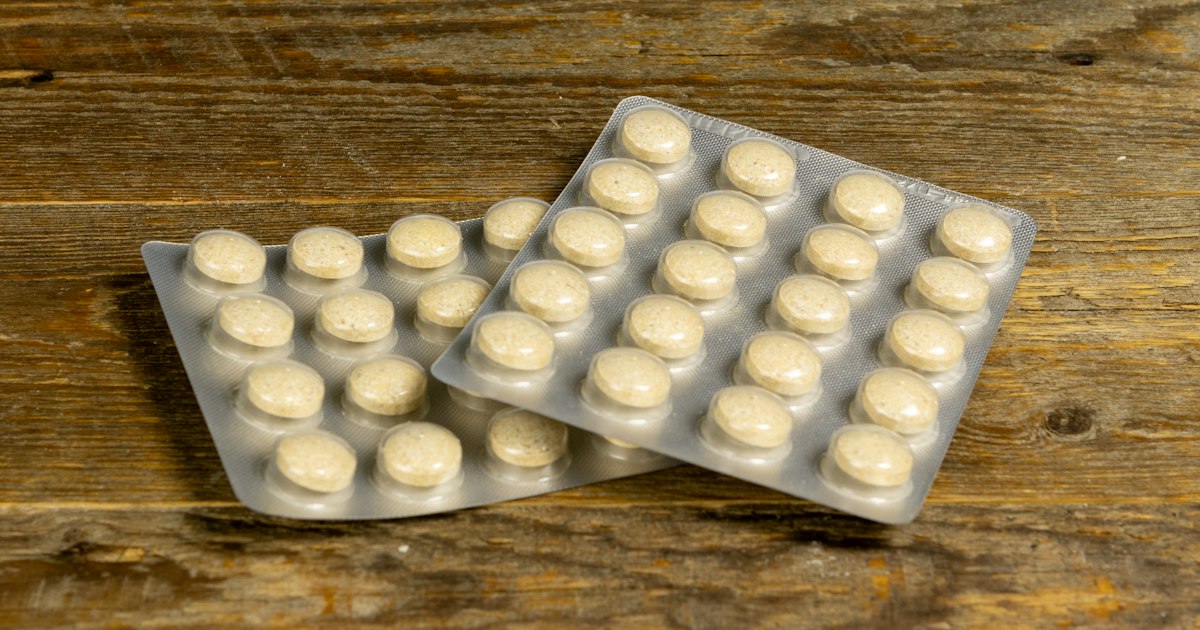
Side Effects and Contraindications of Acetylsalicylic Acid (Low Doses)

Low doses of acetylsalicylic acid are often perceived as a harmless «heart» pill. Yet the very mechanism that protects against thrombosis also creates the main risk - bleeding. The editorial team systematized the side effects and contraindications of low-dose aspirin, drawing on large studies and clinical guidelines.
Where the side effects come from
Aspirin irreversibly inhibits cyclooxygenase-1 (COX-1). In platelets this reduces the synthesis of thromboxane A2 and decreases aggregation - the desired effect. But COX-1 also works in the gastric mucosa, where it produces prostaglandins that stimulate the production of mucus and bicarbonate and maintain blood flow in the mucosa. Suppressing this protection makes the stomach more vulnerable to acid.
The second group of effects is related to a systemic reduction in the blood's ability to stop bleeding. Any vascular damage - from an ulcer to a microtrauma of a cerebral artery - bleeds longer while on aspirin.
The third group of reactions is caused by a shift in the metabolism of arachidonic acid. In susceptible people, blocking cyclooxygenase redirects it to the lipoxygenase pathway with excessive formation of leukotrienes, which can provoke bronchospasm and swelling of the nasal mucosa.
Importantly, the frequency of most side effects depends on the dose, but does not disappear completely even at 75-100 mg. Large studies have shown that a low dose reduces, but does not eliminate, the risk of bleeding.
Bleeding: stomach, intestine, brain
Gastrointestinal bleeding is the most common serious complication. It can manifest as black, tarry stools, «coffee-ground» vomiting, weakness, and dizziness due to anemia. The source is usually ulcers or erosions of the stomach and duodenum, but bleeding is also possible from the lower parts of the intestine.
In a meta-analysis by the Antithrombotic Trialists' Collaboration (2009) for primary prevention, aspirin statistically significantly increased the frequency of major extracranial bleeds, mostly gastrointestinal. In the ASPREE study (2018) among elderly people without cardiovascular disease, major bleeds occurred more often in the aspirin group, while no significant benefit for cardiovascular events was found.
Hemorrhagic stroke is the most dangerous, though rare, complication. The absolute increase in risk is small, but the consequences of an intracranial hemorrhage can be catastrophic. That is precisely why, in people with a low baseline thrombosis risk, the balance of benefit and harm often turns out to be unfavorable.
| Complication | Signs | Factors that increase the risk |
|---|---|---|
| Gastrointestinal bleeding | Black stools, vomiting blood, weakness | Age, history of ulcer, H. pylori, other NSAIDs, corticosteroids, anticoagulants |
| Intracranial hemorrhage | Sudden severe headache, neurological symptoms | Uncontrolled hypertension, age, anticoagulants |
| Minor bleeding | Bruises, nosebleeds, bleeding gums | Injuries, contact sports |
| Anemia | Fatigue, shortness of breath on exertion | Hidden, prolonged blood loss |
For athletes, minor bleeding - bruises, nosebleeds after blows - can be the first noticeable sign. It is not dangerous in itself, but it signals the drug's effect, which is worth taking into account with traumatic loads.

Intolerance, aspirin asthma, and other reactions
Aspirin-induced respiratory disease (AERD, also the «aspirin triad») combines asthma, chronic rhinosinusitis with nasal polyps, and reactions to aspirin and other NSAIDs that inhibit COX-1. A reaction can occur even to a low dose: nasal congestion, bronchospasm, skin flushing. For such people aspirin is contraindicated, except for special desensitization protocols under the supervision of an allergist.
Urticaria and angioedema are also described as manifestations of NSAID intolerance. People with chronic urticaria may note its exacerbation while on aspirin.
Reye's syndrome is a rare but severe injury to the liver and brain associated with aspirin use by children and adolescents during viral infections (influenza, chickenpox). Therefore in many countries aspirin is not recommended for children and adolescents, except for special medical indications.
Low doses of aspirin reduce the excretion of uric acid by the kidneys and can raise its level in the blood. For people with gout or hyperuricemia this matters, although the decision to discontinue cardiologically indicated aspirin is made by a doctor taking the overall risk into account.
Contraindications and groups requiring special caution
Absolute contraindications are determined by the label of the specific drug, but in general they cover conditions in which the risk of bleeding or a severe reaction is unacceptably high.
- an active ulcer of the stomach or duodenum, recent gastrointestinal bleeding;
- hemorrhagic diatheses (hemophilia, severe thrombocytopenia);
- confirmed aspirin asthma or severe reactions to NSAIDs;
- severe hepatic or renal failure;
- childhood and adolescence during viral infections (risk of Reye's syndrome);
- the last trimester of pregnancy for analgesic doses.
Pregnancy deserves separate mention. High doses of NSAIDs in the third trimester are dangerous for the fetus. At the same time, low doses of aspirin are used by obstetricians to prevent preeclampsia in high-risk women - this is confirmed, in particular, by the ASPRE study (2017). So the decision in this case depends entirely on the doctor.
Special caution is required for elderly people, patients with a history of ulcer, uncontrolled hypertension, as well as those who simultaneously take anticoagulants, other antiplatelet agents, corticosteroids, selective serotonin reuptake inhibitors, or, regularly, other NSAIDs.
Before planned operations and dental procedures, the question of continuing or temporarily discontinuing aspirin is decided by a doctor: in people with stents or a recent heart attack, discontinuing it on one's own can be more dangerous than bleeding.
How risks are reduced in medical practice
The main way to reduce harm is to prescribe aspirin only to those who really need it. Modern guidelines, in particular the USPSTF (2022), have limited its use for primary prevention, since in people with a low risk the benefit does not outweigh the risk of bleeding.
In patients with an increased risk of gastrointestinal complications, a doctor may prescribe a proton pump inhibitor to protect the mucosa. Testing for Helicobacter pylori and eradication of the infection if present is also useful.
Enteric-coated forms of aspirin reduce direct irritation of the stomach, but do not eliminate the systemic suppression of prostaglandins, so they do not guarantee protection against ulcers and bleeding.
Finally, it is important to avoid combining aspirin on one's own with other NSAIDs, in particular ibuprofen, which can both weaken the antiplatelet effect and additionally increase the risk of gastric complications.
Editorial conclusions
The main risk of low-dose aspirin is bleeding, primarily gastrointestinal, less often intracranial. It is a direct consequence of the same mechanism that provides protection against thrombosis.
Aspirin asthma, Reye's syndrome in children and adolescents, and the effect on uric acid are important, though less common, limitations.
The benefit-to-risk ratio depends on a person's baseline cardiovascular risk, so long-term use should be a medical decision, not «prevention just in case».
We also recommend reading our articles on the mechanism of action of low-dose aspirin, on their clinical studies, and on why athletes discuss this drug.
References
- Antithrombotic Trialists' (ATT) Collaboration. Aspirin in the primary and secondary prevention of vascular disease: collaborative meta-analysis of individual participant data from randomised trials. Lancet. 2009;373(9678):1849–1860.
- McNeil JJ, Wolfe R, Woods RL, et al. Effect of aspirin on cardiovascular events and bleeding in the healthy elderly. N Engl J Med. 2018;379(16):1509–1518.
- Patrono C, García Rodríguez LA, Landolfi R, Baigent C. Low-dose aspirin for the prevention of atherothrombosis. N Engl J Med. 2005;353(22):2373–2383.
- Rolnik DL, Wright D, Poon LC, et al. Aspirin versus placebo in pregnancies at high risk for preterm preeclampsia. N Engl J Med. 2017;377(7):613–622.
- US Preventive Services Task Force. Aspirin use to prevent cardiovascular disease: US Preventive Services Task Force recommendation statement. JAMA. 2022;327(16):1577–1584.
- Catella-Lawson F, Reilly MP, Kapoor SC, et al. Cyclooxygenase inhibitors and the antiplatelet effects of aspirin. N Engl J Med. 2001;345(25):1809–1817.
Andriy Melnyk
A strength-sports coach and author of programs for beginner and intermediate levels. Writes about training planning.